
What VR and AR experience creators do
VR and AR experience creators are teams that turn a business objective into a working immersive experience: packaging that comes to life through a smartphone camera, a showroom customers visit without leaving home, training where employees practice in a safe virtual environment, an activation that draws a crowd at a trade show booth.
The work brings together different disciplines in a single project: experience concept and script, 3D modeling and optimization, development and integration, testing on real devices, hosting, publishing, and results measurement. This combination is what separates a technology demonstration from a tool that generates real value for the brand.
What is the difference between virtual reality and augmented reality?
Augmented reality (AR) overlays digital elements onto the real world: the user points their smartphone camera and sees objects, animations, and information layered over their surroundings. It works well with products, packaging, catalogs, printed materials, and points of sale, because it builds on something the customer already has in hand.
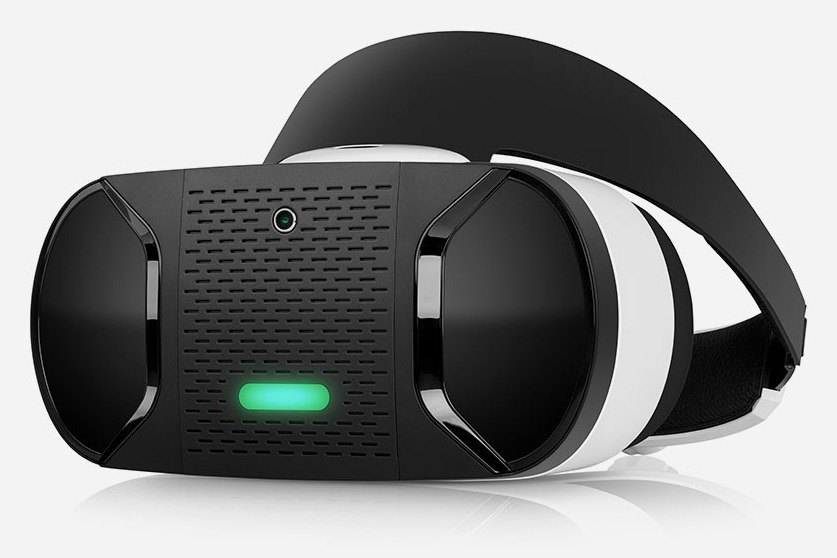
Virtual reality (VR) replaces the environment with a 100% digital, 360° scenario. With VR headsets the immersion is total; without them, the experience can also take place on a computer or smartphone screen. It is the natural choice for virtual tours, training, simulations, and presentations of spaces that do not yet exist or are far from the customer.
Many projects combine both technologies. A real estate launch, for example, might use VR for a tour of the model apartment and AR to show the building layout on the table in the sales office. The right choice depends on the audience, the context of use, and the action expected from the user at the end.
What defines a high-quality immersive experience?
High quality in VR and AR is not synonymous with excessive graphics. A good experience loads quickly, runs stably on common devices (not just flagship models), has clear instructions, simple controls, and an evident objective. The user needs to understand within seconds what to do — and feel it was worth their time.
On the technical side, this means optimized 3D models (lightweight without losing fidelity), performance tested under real lighting and connectivity conditions, compatibility with Android and iPhone, and access alternatives for users who cannot use a particular feature. On the business side, it means the experience leads to a next action: exploring the product, requesting a quote, speaking with the sales team.
Be wary of projects that impress in a controlled demonstration but freeze on the customer's phone. Testing on mid-range devices — not just the ones used during development — is one of the habits that most distinguishes experienced teams.
How does the creation process work?
A well-managed project typically follows clear stages. First, the brief: what the objective is, who the audience is, where the experience will be accessed, and what the user should do at the end. Then, the concept and script: what happens in the experience, in what order, and with what content.
In production come 3D modeling (creating or adapting models, textures, and animations), development (programming interactions, integrating the camera, sensors, and systems), and optimization (ensuring everything loads quickly and runs smoothly). This is followed by testing on different devices, adjustments, and publishing — with stable hosting and, where appropriate, QR codes and promotional materials.
Finally, measurement: accesses, interaction time, completed actions. This data shows what worked, guides improvements, and demonstrates the return on investment to those who funded the project.
Does it require an app or does it work in the browser?
A large share of current experiences work directly in the smartphone browser — this is known as WebAR (and WebXR, in the case of VR). The user scans a QR code or taps a link, grants camera permission, and starts interacting, with nothing to download. For campaigns, packaging, and events, this is almost always the best choice: every step removed multiplies participation.
Augmented reality within a dedicated app is the more stable and more powerful option: the app accesses the device's native capabilities directly (such as ARCore on Android and ARKit on iPhone), which translates into more precise tracking, better performance, offline functionality, and features the browser cannot reach. For recurring use, extensive catalogs, training programs, and industrial applications, a dedicated app is usually the right path.
We develop experiences in both formats. The decision takes into account the campaign duration, frequency of use, volume of content, and the environment where the experience will be used: the browser wins when lowering the barrier to entry matters most; the app wins when stability and depth matter most.
How much does it cost to create a VR or AR experience?
The investment varies with complexity — which is why serious quotes start with questions, not a fixed number. The main factors are: the quantity and precision of 3D models (reusing existing technical files reduces cost), the number of scenes and interactions, whether a dedicated app is needed, integrations with other systems, and timeline.
A one-off experience with a single optimized 3D model and QR code access is a very different project from a complete virtual showroom with dozens of products and e-commerce integration. Clearly defining the objective before requesting proposals avoids paying for features the audience will never use — and makes it possible to start small, measure results, and scale what works.
How to choose the right company for your project?
Ask to see published projects and test them yourself, on your own phone, before signing a contract. An experienced team shows experiences that actually work — not just demonstration videos. Pay attention to load time, clarity of instructions, and stability.
Ask how the experience will be hosted and for how long it will remain live; who will handle content updates and what they cost; which devices will be supported and how testing will be conducted; and how results will be measured and reported. Vague answers on these points tend to become problems after launch.
Be cautious of promises of automatic results. Immersive technology attracts attention, but the return comes when the experience is useful, access is simple, and the next action is clear. A good partner discusses the business objective before discussing technology.
Frequently asked questions about creating VR and AR experiences
Does it work on any smartphone? Browser-based experiences work on the vast majority of current smartphones, both Android and iPhone. Exact compatibility depends on the features used — which is why the project should include testing on a variety of devices.
Do I need to buy virtual reality headsets? Not necessarily. VR experiences can run on a smartphone or computer screen; headsets enhance immersion and are recommended for training, events, and high-impact presentations.
How long does the project take? It depends on the number of scenes, models, and integrations. One-off experiences can be ready in a few weeks; full platforms require more stages. A realistic timeline is defined during the brief.
Can the content be updated later? Yes. With the right architecture, models, text, and video can be replaced without changing the QR code or the printed material that directs users to the experience.
Can results be measured? Yes: accesses, unique users, interaction time, completed actions, and audience source are among the available metrics — and they should align with the objective defined at the outset.
From idea to published experience
The immersive experience market has matured: what was once a novelty at technology trade shows has become a tool for sales, training, and customer engagement — accessible to mid-sized and small businesses as well, particularly as WebAR eliminates the app barrier.
If your brand has a product that is difficult to demonstrate, a space customers need to visit, training that is costly to repeat, or a booth that needs to stand out, a well-planned VR or AR experience solves a real problem. Share your objective with our team and discover the right immersive format for it.